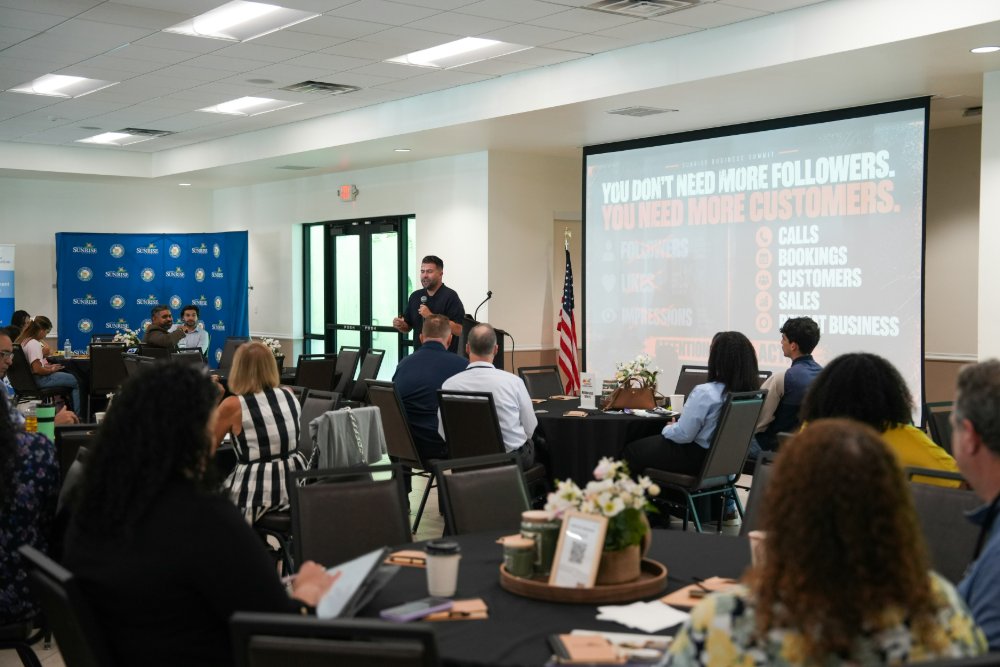
Young business leaders play an important role in shaping stronger and more successful communities. Their ideas, energy, and willingness to take action can create opportunities that benefit people from different backgrounds. While building profitable businesses remains an important goal, many young entrepreneurs also recognize the value of giving back. They understand that business success becomes more meaningful when it supports local development and improves people’s lives.
Community development requires more than financial investment. It depends on education, employment, social responsibility, and access to opportunities. Young business leaders can contribute to these areas through responsible business practices and meaningful partnerships. By combining entrepreneurial thinking with a commitment to social progress, they can help communities grow while creating a positive impact that lasts for generations.
Creating Local Employment Opportunities
One of the most valuable contributions young business leaders make is creating jobs. Starting and expanding businesses gives residents opportunities to earn an income, develop professional skills, and build financial independence. Small businesses can also support other local companies by purchasing supplies, hiring service providers, and working with nearby vendors. This creates a stronger local economy where different businesses benefit from one another.
Young entrepreneurs can make employment more accessible by offering training programs, internships, and entry-level positions. These opportunities help students, recent graduates, and people with limited work experience enter the job market. When business owners invest in local talent, they strengthen their teams while helping individuals build better futures. Over time, these efforts can reduce unemployment and improve household stability.
Supporting Education and Skill Development
Education is a foundation for long-term community development. Young business leaders can support schools, training centers, and educational programs that prepare people for future opportunities. They can provide learning resources, sponsor scholarships, and organize workshops that teach practical business and technology skills. These efforts help young people gain knowledge and confidence as they prepare for professional life.
Business leaders can also share their experiences with students and aspiring entrepreneurs. Mentorship programs allow experienced professionals to guide individuals who want to start businesses or develop their careers. Through honest advice and practical lessons, young leaders can help others understand the challenges of professional growth. Supporting education in this way creates a more skilled workforce and encourages future generations to become active contributors to their communities.
Encouraging Innovation and Local Entrepreneurship
Young business leaders often bring fresh ideas and new approaches to familiar challenges. Their ability to recognize changing customer needs and use modern technology can help local industries become more competitive. They may introduce digital services, improve traditional business processes, or develop products that solve everyday problems. These innovations can make essential services more accessible and create new sources of income for residents.
They can also encourage other people to explore entrepreneurship. By sharing business knowledge, connecting new founders with useful resources, and supporting local startup events, young leaders can help create a welcoming business environment. This kind of support gives aspiring entrepreneurs the confidence to turn their ideas into practical solutions. As more local businesses emerge, communities gain new services, employment opportunities, and stronger economic foundations.
Promoting Social Responsibility and Inclusion
Responsible business leadership means considering how business decisions affect employees, customers, and the wider community. Young leaders can promote fair treatment, ethical practices, and inclusive workplace policies. They can create opportunities for people who often face barriers to employment, including individuals from low-income households and underrepresented groups. A welcoming workplace helps employees feel respected and gives more people a chance to contribute their abilities.
Community involvement can extend beyond daily business operations. Young entrepreneurs can support food drives, public health campaigns, environmental projects, and local charities. They can also encourage employees to participate in volunteer activities. These actions address important community needs while building stronger relationships between businesses and residents. When companies consistently demonstrate social responsibility, they earn public trust and establish a positive reputation.
Building Strong Community Partnerships
Community development becomes more effective when businesses work together with local organizations. Young business leaders can build partnerships with schools, nonprofit groups, government agencies, and other companies. Each partner brings different resources and knowledge to the table. By working toward shared goals, they can support projects that would be difficult for one organization to complete alone.
For example, a local business might partner with a school to provide career guidance or work with an environmental group to organize neighborhood cleanup activities. These partnerships allow business owners to understand local challenges and develop practical responses. They also create stronger communication between business communities and residents. When people work together, they can identify shared priorities and make progress toward lasting improvements.
Leading Sustainable Community Development
Sustainable development focuses on meeting current needs without harming future generations. Young business leaders can support this goal by making environmentally responsible decisions. They can reduce waste, use energy-efficient equipment, choose sustainable materials, and encourage responsible consumption. Even small changes in business operations can help protect natural resources and improve the local environment.
They can also introduce business models that balance financial growth with environmental and social benefits. For instance, supporting local suppliers can reduce transportation needs while keeping money within the community. Investing in renewable energy and responsible production can also create long-term value. By making sustainability part of their business strategies, young leaders show that economic progress and environmental protection can work together.
Inspiring the Next Generation of Leaders
Young business leaders influence communities through their actions as well as their achievements. When they demonstrate honesty, determination, and social responsibility, they provide positive examples for others to follow. Their experiences show that leadership involves more than making decisions or earning profits. It also requires understanding people’s needs, accepting responsibility, and finding ways to create meaningful change.
Their influence can encourage students and aspiring entrepreneurs to become more involved in community development. Through mentorship, public engagement, and open communication, they can help others recognize their ability to make a difference. As more young people develop leadership skills and a sense of social responsibility, communities become better prepared to face future challenges.
Young business leaders have the potential to become powerful drivers of community development. By creating employment opportunities, supporting education, encouraging innovation, and promoting social responsibility, they can strengthen local economies and improve people’s lives. Their commitment to a strategic approach to business growth also helps address community needs while creating meaningful opportunities for others. Through strong leadership and active community involvement, they can contribute to lasting positive change.
Building a successful business and supporting a community should go hand in hand. When young entrepreneurs focus on local needs, ethical practices, and long-term success, they create value that extends beyond their companies. Their dedication to sustainable development, economic growth, and open communication can inspire others to take action. These efforts help build stronger, more inclusive communities and create a better future for generations to come.