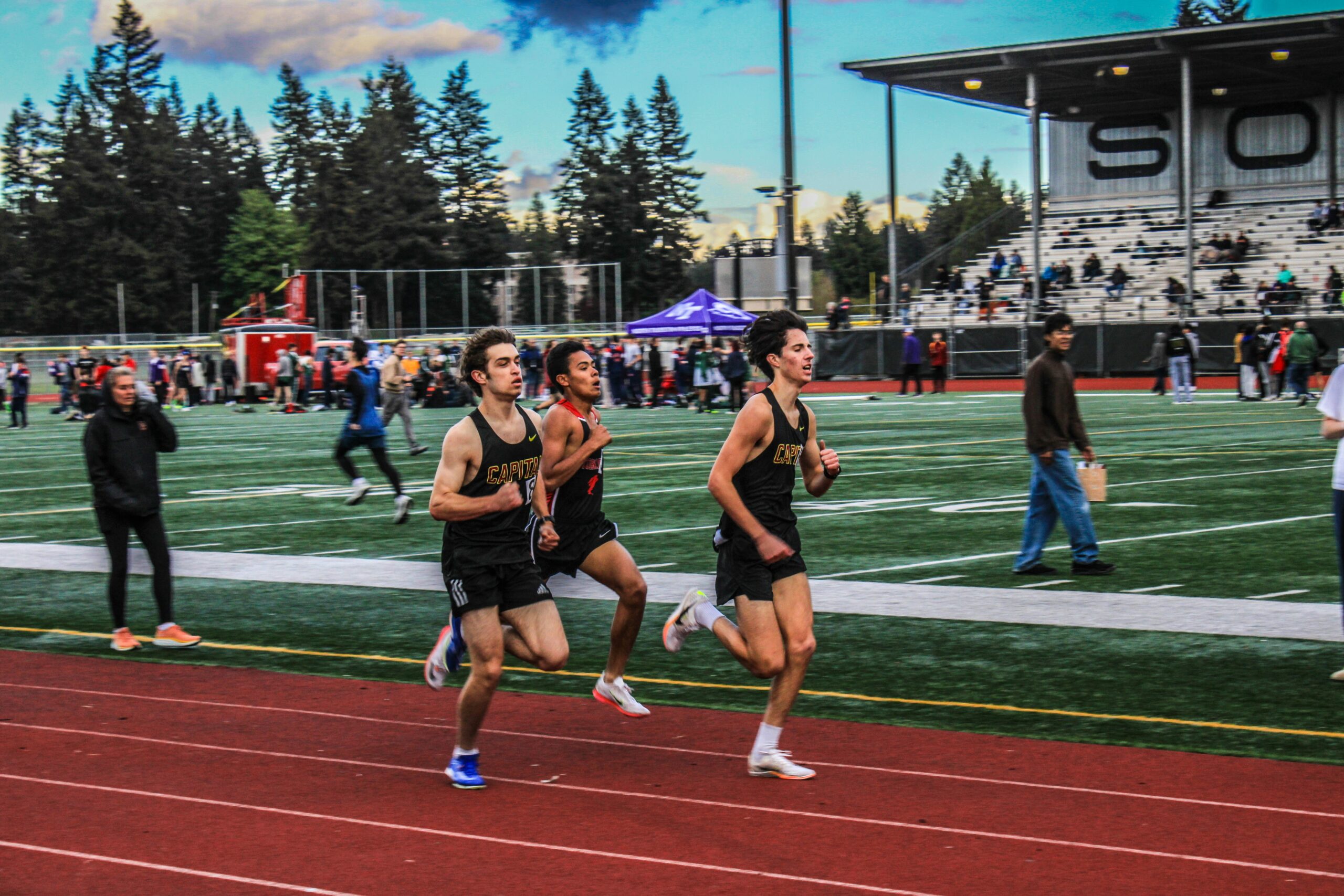
Recreational sports and competitive athletic backgrounds offer more than physical health benefits—they shape powerful mental habits that carry into professional life. Many successful business leaders credit sports with teaching them persistence, focus, and structured discipline.
In today’s fast-moving corporate world, resilience and self-control are essential for long-term growth. Interestingly, the same qualities required to compete in sports often translate directly into business success, helping individuals manage pressure, overcome challenges, and stay motivated through setbacks.
Discipline Developed Through Athletic Training
Recreational sports encourage individuals to commit to routines, follow schedules, and build consistency over time. Even casual athletes must practice regularly, showing up with dedication regardless of mood or obstacles. This kind of repeated effort strengthens personal discipline, which is critical for business professionals managing long-term goals.
Likewise, competitive athletes learn how structure drives performance. They understand that results do not happen overnight but come through continuous improvement. Therefore, business leaders with sports backgrounds often excel at time management, accountability, and maintaining productivity even during demanding periods.
Resilience Built Through Wins and Losses
One of the strongest lessons sports teach is how to handle both success and failure. Athletes experience losses, missed opportunities, and unexpected setbacks, yet they learn to recover quickly. As a result, they develop emotional resilience that becomes valuable in business environments filled with uncertainty.
Similarly, professionals who have competed in sports often view challenges as temporary rather than permanent. Instead of giving up after a difficult quarter or failed project, they adapt and push forward. This mindset helps entrepreneurs and employees remain stable and focused under pressure.
Mental Toughness and Performance Under Pressure
Competitive sports demand peak performance in high-stakes moments, whether it’s a final match, a crucial race, or a deciding play. Athletes become comfortable working under intense pressure, which prepares them for business situations like negotiations, deadlines, or leadership crises.
In addition, sports teach individuals how to remain calm while staying alert. This mental toughness supports smarter decision-making during stressful circumstances. Consequently, professionals with athletic experience often handle workplace challenges with confidence and composure.
Teamwork and Leadership Skills from Sports
Recreational sports foster collaboration by requiring players to communicate, support teammates, and work toward shared outcomes. Even in individual sports, athletes often depend on coaches and training partners. Therefore, sports naturally develop interpersonal skills that strengthen workplace relationships.
On the competitive side, athletes gain leadership experience through roles like team captain or motivator. They learn how to inspire others, accept responsibility, and guide group performance. These leadership traits carry over into business, where teamwork and influence are essential for success.
Goal Setting and Long-Term Focus
Sports teach athletes to set clear, measurable goals such as improving speed, mastering techniques, or winning competitions. This goal-oriented approach builds patience and persistence, which are equally important in business development and career advancement.
Moreover, athletes understand the value of incremental progress. They know improvement happens through consistent effort over time. As a result, business professionals with sports backgrounds tend to stay committed to long-term strategies instead of chasing quick results.
Adaptability and Strategic Thinking
In sports, conditions constantly change—opponents adjust tactics, games shift momentum, and unexpected problems arise. Athletes must think quickly, adapt strategies, and respond with flexibility. These experiences sharpen problem-solving abilities useful in business settings.
Similarly, competitive environments encourage strategic planning. Athletes study opponents, identify weaknesses, and prepare mentally for challenges. Therefore, business leaders with sports experience often excel at anticipating market shifts and making proactive decisions.
Confidence and Self-Motivation
Recreational sports improve confidence by allowing individuals to experience personal growth and achievement. Each improvement, win, or milestone boosts belief in one’s abilities. This increased confidence often transfers into professional environments, motivating individuals to take initiative.
Additionally, athletes learn how to motivate themselves even when external praise is limited. They rely on internal drive to keep progressing. This self-motivation becomes a major advantage in business, especially for entrepreneurs and professionals pursuing ambitious goals.
Recreational sports and competitive athletic backgrounds play a significant role in shaping business discipline and resilience. The habits developed through training, teamwork, goal setting, and overcoming setbacks prepare individuals for the realities of professional life.
Ultimately, the playing field serves as a powerful training ground for the boardroom. By carrying sports-inspired discipline and resilience into business, individuals gain the mental strength and focus needed for long-term success.